Brewing Peace: The Surprising History of Tea as a Diplomatic Tool
From the Ancient Tea-Horse Road to Sri Lanka's tea-for-oil deal with Iran, the history of tea diplomacy is longer — and stranger — than you might expect. A brief history of the cup that kept the peace.
Sameera
May 17, 2026 · 5 min read
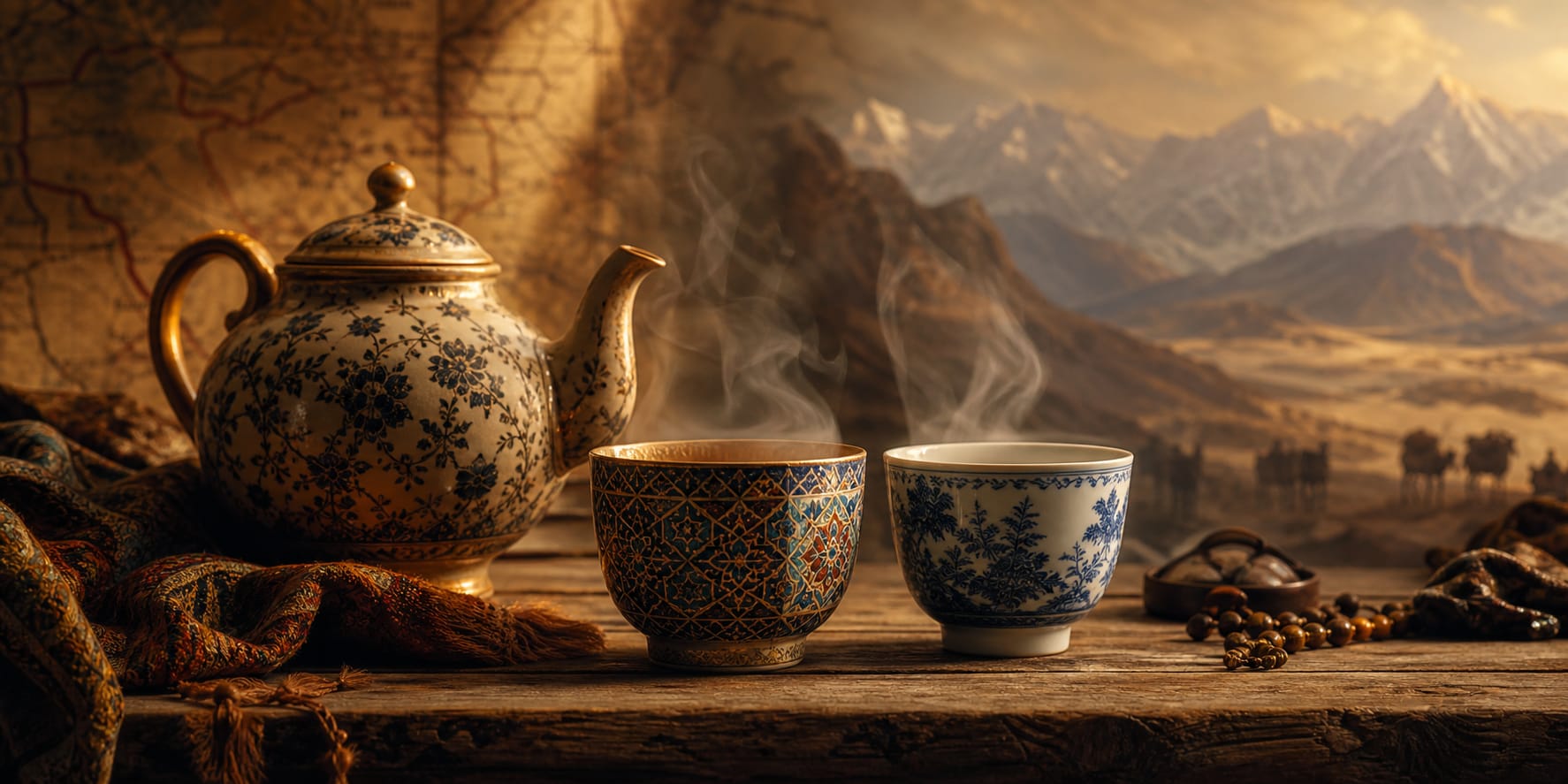
There is a moment, somewhere between the pour and the first sip, when something shifts. Voices soften. Shoulders drop. The person across the table becomes, briefly, a human being rather than an adversary. Tea has been engineering that moment for over a thousand years. Not by accident — or at least, not always.
**China and Tibet, 7th century.** - The Tang Dynasty had a problem. Its armies needed horses — strong Tibetan warhorses — to defend the northern frontiers. Tibet wanted tea. The two sides struck a deal, and the Ancient Tea-Horse Road was born: a network of caravan paths winding through Yunnan and Sichuan, over the Himalayan passes, all the way to Lhasa. For roughly 130 pounds of compressed brick tea, the Chinese received one horse. By the 13th century, China was trading millions of pounds of tea for around 25,000 horses a year.
The road became something else over time. Buddhist pilgrims used it. Traders from Han, Tibetan, Naxi, and other ethnic groups met along it, built towns on it, and created what historians now describe as one of history's longest-running examples of peaceful interdependence between settled and nomadic peoples. It lasted, in various forms, until the 20th century. A supply chain that kept the peace for twelve hundred years. Most modern trade agreements are doing well to survive a single administration.
**Nixon and Mao, February 1972.** - The United States and China had not spoken, formally, in twenty-three years. When Richard Nixon arrived in Beijing, the world was watching. What is less remembered now is how the meetings began: two men in armchairs, surrounded by the apparatus of Cold War suspicion, drinking tea. The gesture was deliberate. Chinese hosts had long understood what a slow, carefully poured cup communicates — patience, respect, a willingness to sit before standing off. Within days, the two sides signed the Shanghai Communiqué, opening the door to normalised relations. Historians call it the week that changed the world. The tea is rarely mentioned.
**Mandela and Viljoen, September 1993.** - South Africa was close to civil war. Hard-line Afrikaner militias, led by retired general Constand Viljoen, were preparing armed resistance against multiracial rule. Viljoen commanded the loyalty of tens of thousands of trained fighters.
Mandela invited him to his home in Houghton, Johannesburg. Viljoen arrived with three other retired generals, expecting a servant to answer the door. Mandela answered it himself, smiling. He shook their hands. He suggested he and Viljoen speak privately first.
Then he poured the tea. English style — tea first, then milk — and asked Viljoen how many sugars. Viljoen later recounted every detail of this to journalist John Carlin, author of Knowing Mandela. The precision of the memory is telling. By the end of the meeting, Viljoen had agreed to call off the insurrection. He went on to urge his followers to participate in the 1994 elections. When Mandela was inaugurated as President, Viljoen stood in the new parliament and saluted him. He would later call Mandela "the greatest of men."The instrument that turned the tide was a teapot and the question of whether a man took sugar.
**Sri Lanka and Iran, 2021–present.** - In December 2021, two cash-strapped governments signed a deal that reads like a riddle: how does a country with no hard currency repay a $251 million oil debt to a country that can't access the international banking system? With tea.
Sri Lanka, in the middle of its worst economic crisis in decades, agreed to export Ceylon tea to Iran in monthly instalments to settle the debt — accrued from oil purchases made almost a decade earlier. Tea qualified as a humanitarian food item, exempt from sanctions. No blacklisted banks needed to be involved. By mid-2024, $55 million of the debt had been repaid in leaves. The original deal set a pace of $5 million per month over 48 months. It continues.
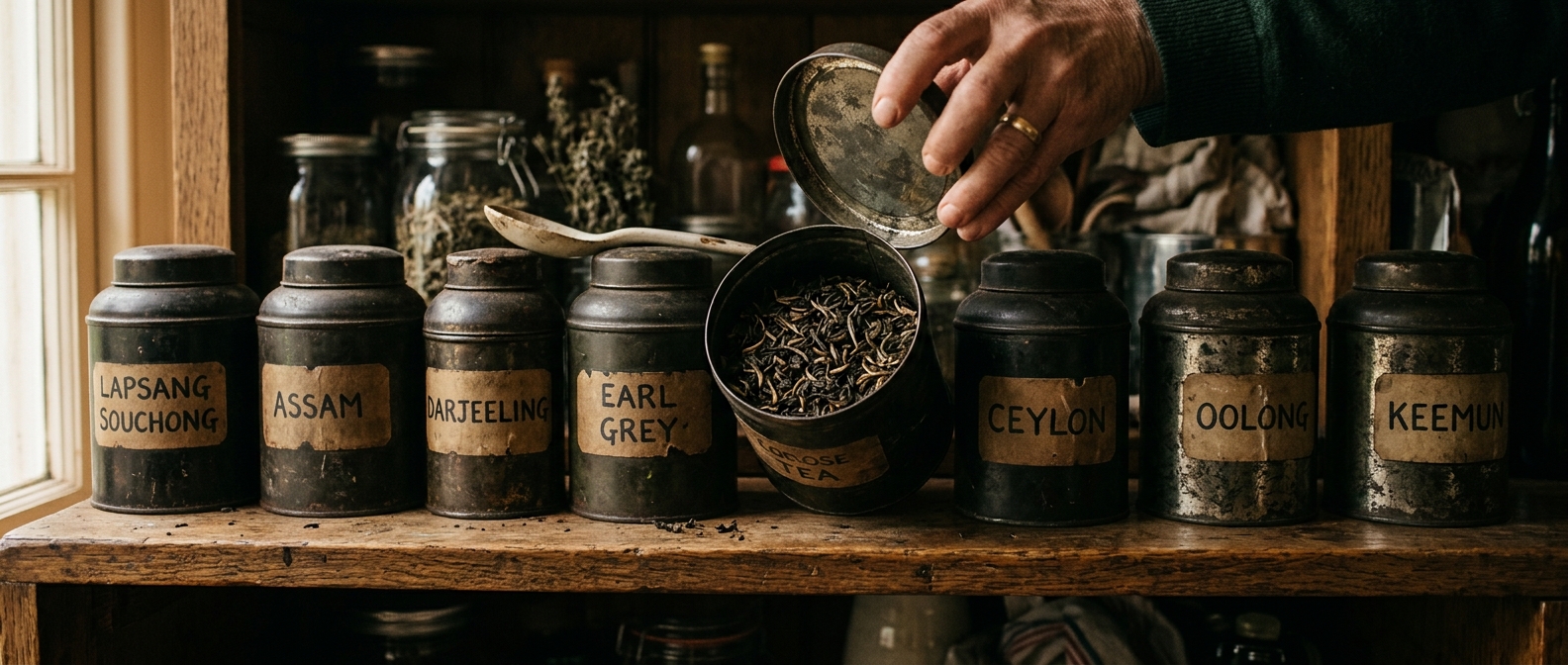
Ceylon tea has been one of Iran's most consumed imports for decades. In 2016, it made up nearly half of all tea drunk in the country. The two nations, it turns out, had been quietly dependent on each other long before sanctions or debt entered the picture.
**China's tea diplomacy, 2013.** - Beijing formalised what had always been intuitive: tea sets were dispatched to foreign dignitaries as soft-power gifts at major summits. In 2018, the United Nations designated May 21st as International Tea Day, recognising the leaf as a promoter of cultural exchange, sustainable development, and — with a straight face — peace.
The UN has not historically been accused of overstatement on this particular subject.
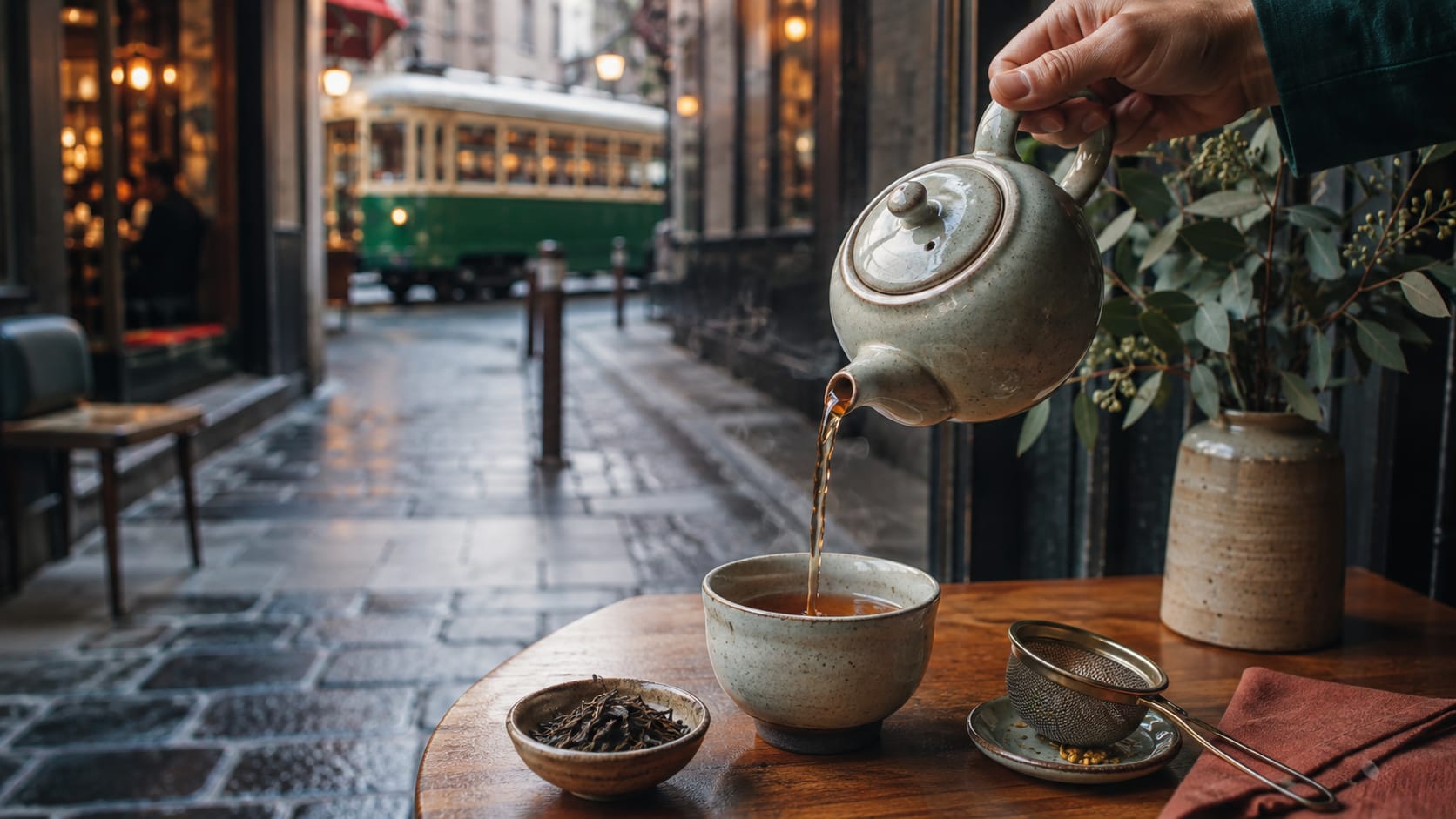
**Why tea, and not something else.** - Wine can loosen or dull. Coffee sharpens. Tea, above all, slows. It requires heat to be measured, time to be observed, and someone to decide — milk first or last, sugar or none — which means someone must ask, and someone must answer.
**It is the only hot drink that begins with a question.**
Across mountain passes, Cold War summits, the edge of civil war, and a sanctions-era barter arrangement involving oil tankers and shipping containers of Ceylon leaves, tea has done what formal diplomacy often cannot: it has put two people in the same room, given them something to do with their hands, and bought enough time for reason to arrive. None of which is why most people make a cup. But it is why, for over a thousand years, someone has always offered one.
Follow The Tea List